
How to Source Products from China: The Complete Business Guide (2026)
Contents
- Why source from China?
- Finding the right supplier
- Evaluating suppliers
- Understanding costs
- Compliance and regulations
- Quality control
- Protecting your IP
- Shipping and logistics
- Common mistakes
- When to use an agent
Why source from China?
China remains the world’s manufacturing powerhouse, producing over 28% of global goods. For businesses looking to source products from China, China offers unmatched advantages in terms of scale, cost efficiency, and production capability.
Whether you’re importing electronics, textiles, hardware, or consumer goods, Chinese manufacturers can deliver volumes that would be impossible to achieve domestically at a competitive price.
The diversity of Chinese suppliers means you can find manufacturers for virtually any product category. From small workshops specializing in bespoke items to massive industrial facilities producing millions of units, the Chinese supply ecosystem offers options at every scale.
Additionally, China’s integrated supply chains mean suppliers often have access to raw materials, components, and expertise that other regions may not.
Beyond cost, sourcing from China provides strategic advantages: reduced lead times through established logistics networks, access to innovation and design improvements, and the ability to scale operations quickly as your business grows.
For many importers, establishing relationships with reliable Chinese suppliers has been the foundation of their competitive advantage. Speak to our friendly team today to help scale your business.

Expert tip
“The key to successful China sourcing isn’t finding the cheapest supplier, it’s finding a reliable partner who understands your quality standards and can scale with your business. Take time to build the relationship early.” Fergal Dempsey, Commercial Director
Finding the right supplier
Identifying potential suppliers is the first critical step. Multiple channels exist for discovering manufacturing partners in China. Alibaba and Global Sources are industry-standard B2B platforms where thousands of suppliers advertise their capabilities, certifications, and minimum order quantities.
These platforms offer the advantage of reaching many suppliers quickly, though you’ll need to evaluate quality and legitimacy carefully as not all listings meet professional standards.
Industry trade shows remain invaluable for supplier discovery. The Canton Fair (held twice yearly in Guangzhou) is the world’s largest trade fair, attracting manufacturers from every conceivable product category.
Attending in person allows you to assess suppliers directly, see samples, and discuss specifications face-to-face. Other specialized trade shows focus on specific industries: electronics, textiles, machinery, and more.
Referrals and introductions from trusted contacts carry significant weight. Trade associations, industry peers, and professional networks often have direct relationships with reliable suppliers.
Working with a sourcing agent who has established networks can dramatically accelerate this process and reduce risk. Sourcing agents have pre-vetted relationships and understand which factories suit specific product types and quality standards.
Expert tip
“When approaching suppliers on Alibaba, ask specific technical questions about your product. Genuine manufacturers will engage deeply; those offering generic responses are often traders or have limited expertise.” Fergal Dempsey, Commercial Director
Evaluating suppliers
Never commit to a supplier without thorough evaluation. Request their certifications and samples before committing to bulk orders. Samples reveal manufacturing quality, attention to detail, and the supplier’s capability to meet your specifications.
A well-organized supplier will provide samples quickly with professional packaging. Poor samples often indicate underlying quality issues or lack of capability.
Red flags include: vague answers to technical questions, reluctance to provide references, pressure to commit without samples, asking for deposits before providing quotations, and poor English communication (especially for technical details).
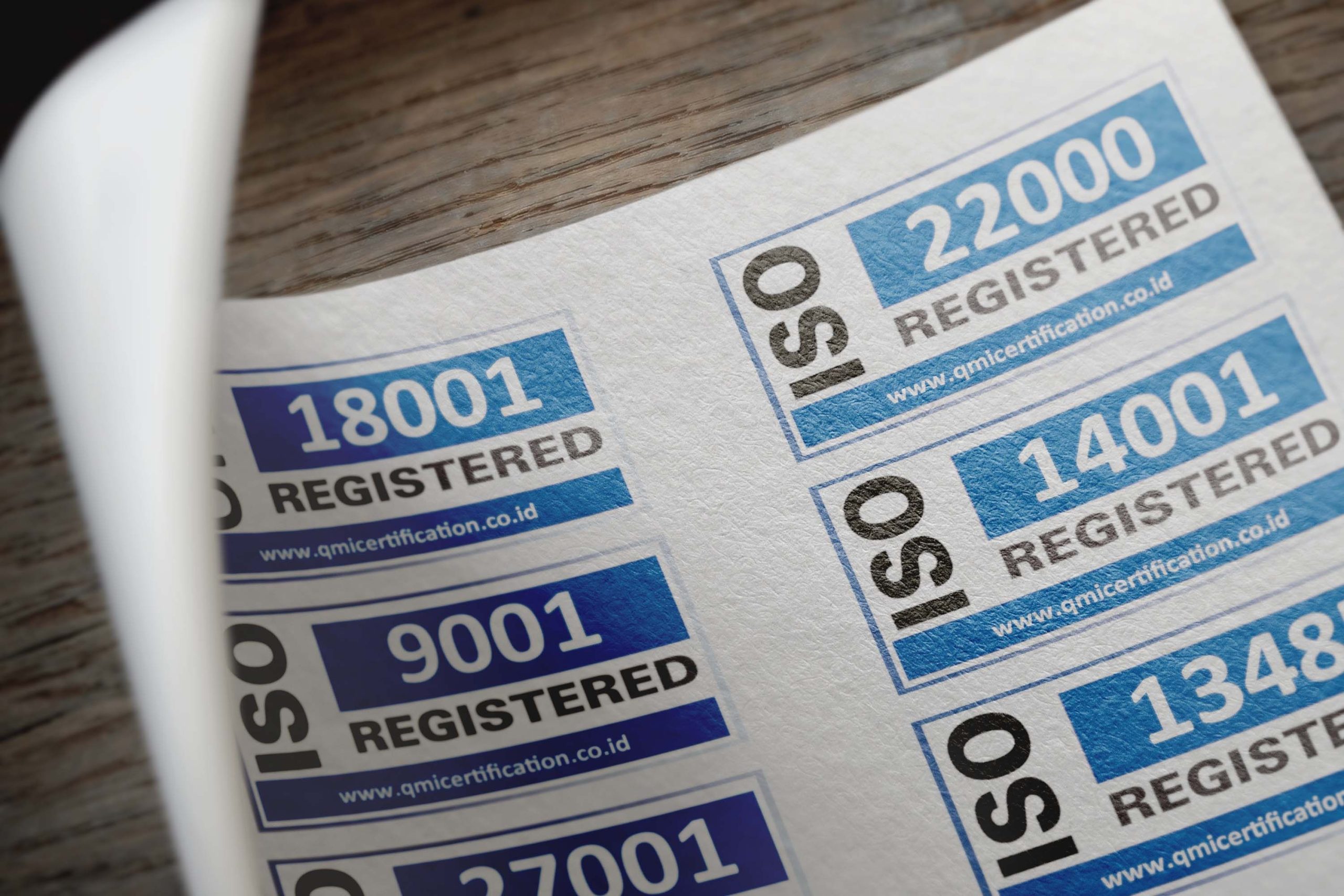
Factory audits, either conducted personally or through third-party inspection services, provide the highest confidence. During audits, evaluate management structure, quality control processes, equipment condition, and staff qualifications.
Understanding costs and pricing
Understanding cost structures is essential for accurate sourcing. FOB (Free on Board) pricing means the supplier covers costs up to loading the goods onto the ship at the port of origin. Your costs then include shipping, customs duties, insurance, and inland transportation. Landed cost is the total cost including everything to your warehouse and is the figure that matters for profitability analysis.
Minimum Order Quantities (MOQs) are a primary consideration. Chinese manufacturers typically require MOQs ranging from hundreds to thousands of units, depending on product complexity.
Some facilities offer lower MOQs for higher prices per unit. Factor in storage costs and cash flow implications when evaluating MOQs. Hidden fees to investigate include: tooling charges for custom products, packaging upgrades, testing and certification costs, and handling fees.
Negotiation is expected in Chinese business culture, but realistic expectations matter. A supplier quoting significantly below market rates may be cutting corners on quality or hiding costs.
Request detailed quotations showing breakdowns by component, labor, and overhead. As order volumes increase, expect tiered pricing that rewards commitment. Payment terms typically range from 50% deposit with balance on completion, though terms vary by supplier and relationship maturity.
Compliance and regulations
Importers must navigate complex regulatory requirements. Products must meet local safety standards and consumer protection regulations. Compliance marking, such as CE or UKCA is mandatory for many product categories (toys, electronics, machinery) indicating compliance with EU/UK safety standards.
Even products not requiring compliance marking must meet product-specific safety requirements and undergo appropriate testing.
Your supplier must understand and comply with these requirements. Request documentation proving testing and compliance before importing. Many Chinese manufacturers have experience with international compliance standards, but verify this explicitly.
Budget for compliance testing and costs vary by product type but can be substantial. For regulated products (toys, electronics, textiles), engaging a notified body early in development ensures smoother market entry.
Tariffs and import duties apply to goods from China. As of 2026, most products face standard tariff rates, though trade agreements may provide preferential treatment.
Customs agents help navigate duty calculations and documentation. Environmental regulations, product safety data sheets (for chemicals), and labeling requirements in English add complexity. Planning compliance costs into your sourcing budget prevents margin-destroying surprises post-importation.
Regulatory questions?
Our compliance experts can guide your product through UK import requirements and standards.
Quality control best practices
Quality control begins before manufacturing starts. Provide detailed specifications, technical drawings, and samples showing your exact requirements.
Conduct pre-production inspections to confirm tooling, materials, and processes before the manufacturing run begins. This early checkpoint catches issues before thousands of units are produced.
During-production inspections monitor the manufacturing process for consistency. Reputable suppliers should accommodate inspections from third parties. Pre-shipment inspections (PSI) examine the final product before loading onto vessels.
These inspections use AQL (Acceptable Quality Level) standards as typically AQL 2.5 for general goods to determine acceptable defect rates. An AQL 2.5 means up to 2.5% of units can have minor defects in a sample inspection.
Third-party inspection services provide independent quality oversight. Services like SGS, Intertek, and TüV offer transparent, professional inspections. Using third-party inspectors protects both you and your supplier by establishing objective, documented quality standards.
Inspection costs typically range from £500-£2,000 per shipment depending on product complexity and order size. Clarify inspection responsibilities and costs upfront as some suppliers cover inspection costs while others pass them to buyers.
Expert tip
“Don’t skip quality inspections to save money. The cost of inspections is minuscule compared to the cost of importing defective goods. One compromised shipment can destroy customer relationships and your brand reputation.” Fergal Dempsey, Commercial Director
Protecting your intellectual property
Intellectual property protection is critical when manufacturing in China. Understand that Chinese IP law has improved significantly but differs from other international laws.
For bespoke products, designs, or branded goods, implement protective measures before sharing specifications with suppliers.
NNN (Non-Use, Non-Disclosure, Non-Circumvention) agreements are more enforceable in China than standard NDAs. An NNN agreement prevents suppliers from using your designs for their own business, disclosing them to competitors, and circumventing you by selling directly to your end customers.
Register your designs and trademarks in China through the China National Intellectual Property Administration (CNIPA). Chinese trademark protection is relatively affordable and provides legal recourse if counterfeiting occurs.
Work with suppliers who have strong track records with confidentiality. Source from established companies with certification and reputation at stake.
Avoid sharing complete designs or specifications with multiple suppliers: share only what’s necessary for quotations. Build quality control checkpoints that verify suppliers aren’t producing unauthorized goods.
Consider working with sourcing agents who manage IP protection protocols and maintain contractual relationships that protect your interests.
Shipping and logistics
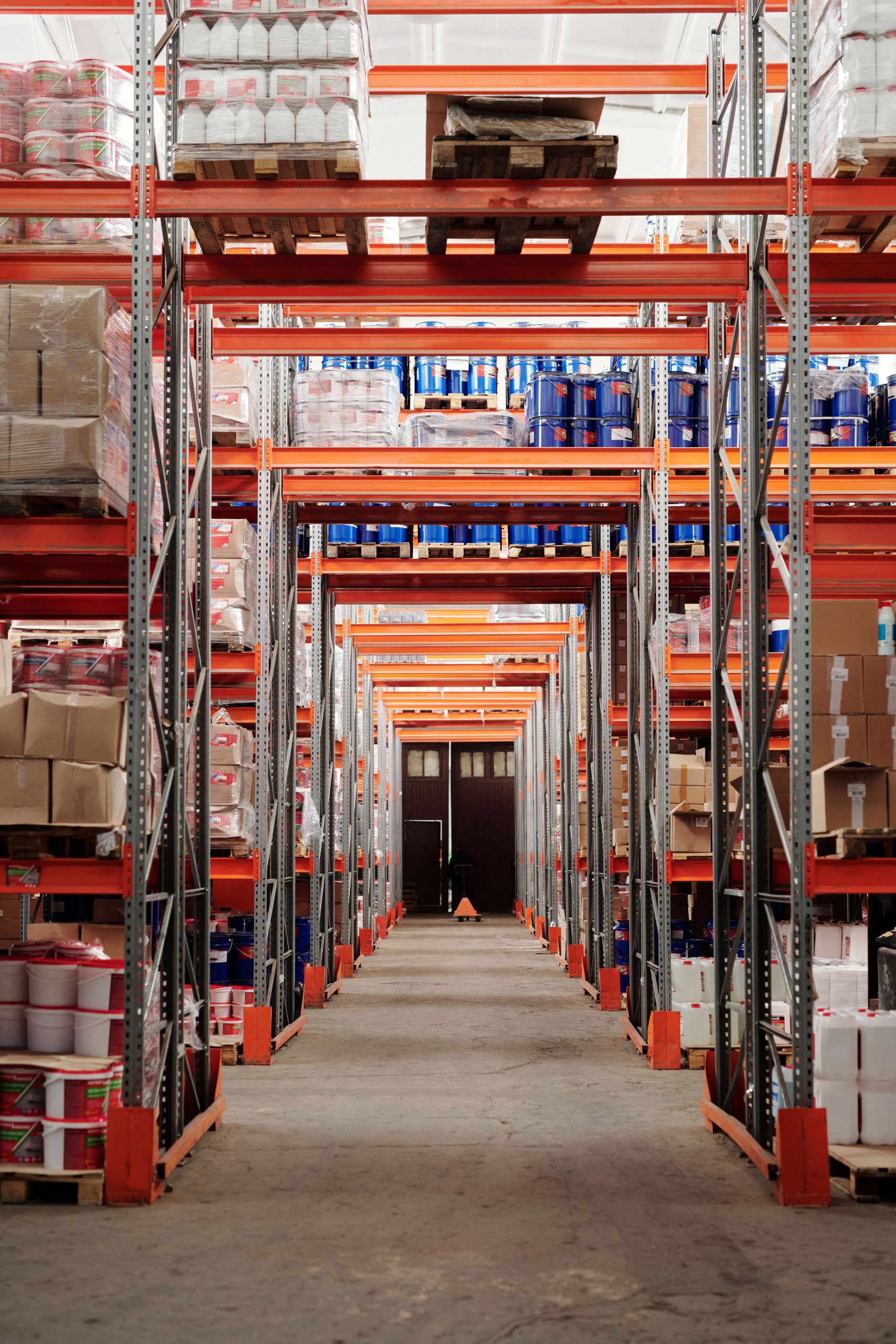
Shipping options significantly impact timeline and cost. Sea freight is the most economical for large shipments, with standard containers holding 20-40 cubic meters. Less-than-container load (LCL) services consolidate smaller shipments, reducing costs for smaller orders but increasing handling time.
Air freight is 5-10x more expensive but delivers in 5-7 days, essential for urgent orders or high-value goods.
Incoterms define responsibility for costs, insurance, and logistics. FOB means the supplier loads goods at the Chinese port; you pay shipping and insurance. CIF (Cost, Insurance, Freight) means the supplier arranges and pays shipping; you pay the CIF price.
DAP (Delivered at Place) means goods arrive at your location with the supplier responsible for shipping but not import costs. Each term has cost and liability implications requiring careful consideration, and there are many more options than listed here
Logistics partners handle documentation (commercial invoices, packing lists, certificates of origin), customs clearance, and last-mile delivery. Freight forwarders experienced with international routes navigate tariff codes, licensing requirements, and inland transport efficiently.
Budget 6-8 weeks for complete processes: manufacturing plus shipping. For products with seasonal demand, build lead time into your production planning.
Common mistakes to avoid
Rushing supplier selection to meet immediate deadlines leads to poor partnerships and quality issues. Allocate 4-6 weeks for supplier evaluation, even when facing pressure.
The relationship you establish now will influence every shipment you receive. Skipping factory visits or third-party inspections to save costs frequently results in larger losses from defective goods.
Vague specifications cause misalignment between what you expect and what suppliers deliver. Provide detailed technical drawings, material specifications, color samples, and packaging requirements.
Use the supplier’s own quality control documentation to establish baseline standards. Failing to plan for lead times, forgetting that manufacturing plus shipping requires 8-12 weeks, results in emergency air freight or stockouts.
Over-relying on suppliers for compliance is risky. While suppliers should understand standards, you remain responsible as the importer. Verify compliance documentation independently.
Underestimating total landed costs by ignoring tariffs, duties, and customs handling creates unprofitable margins.
Poor communication compounds all other mistakes so establish clear communication protocols, use written specifications, and document all agreements.
When to use a sourcing agent
Sourcing agents bring expertise, networks, and on-the-ground presence that streamline the entire process. They identify pre-vetted suppliers matching your product and quality requirements, negotiate terms on your behalf, conduct inspections, and manage logistics.
For first-time importers or complex products, agents reduce risk and accelerate timelines significantly.
When evaluating sourcing agents, look for established track records, industry-specific expertise, and transparent fee structures. Some agents charge percentage-based fees on orders; others charge flat fees or hourly rates.
Reputable agents have references and associations with established trade organizations. They should understand compliance requirements, not just Chinese manufacturing capabilities.
Exertis provides comprehensive sourcing support as part of an integrated supply chain service, managing the journey from supplier identification through final delivery.
Unlike a traditional sourcing agent that primarily facilitates introductions and negotiations, our team works with an established network of pre-qualified manufacturers across electronics, textiles, machinery, consumer goods, and specialized products while also overseeing quality, compliance, and logistics.
This end-to-end approach enables you to focus on growing your business with confidence in every stage of the supply chain.
Ready to start?
Schedule a free consultation to discuss your sourcing needs and how we can accelerate your path to market.