
Global Supply Chain Market Update — Key Shifts to Watch
As we move into the final stretch of Q4, several major developments are shaping global trade routes, customs frameworks and air cargo dynamics. Below is our strategic breakdown of what matters most for supply chains heading into 2026 — and what you should prepare for next.
1. Red Sea Tensions Ease: Cautious Optimism for a Suez Canal Return
After more than a year of severe disruptions, there is finally a glimmer of stability in the Red Sea corridor.
According to the latest market intelligence, Yemen’s Houthi rebels have signalled the halt of their attacks on Israeli-linked and Red Sea shipping, coinciding with a fragile ceasefire in Gaza.
The update notes:
- The Houthis provided their clearest indication yet that attacks have stopped, though no formal acknowledgement has been issued.
- Carriers and insurers remain cautious, but March 2026 is now seen as the earliest realistic timeline for a partial return to Suez Canal transits.
- In the meantime, many vessels continue rerouting via the Cape of Good Hope, resulting in longer sailing times and pressure on capacity.
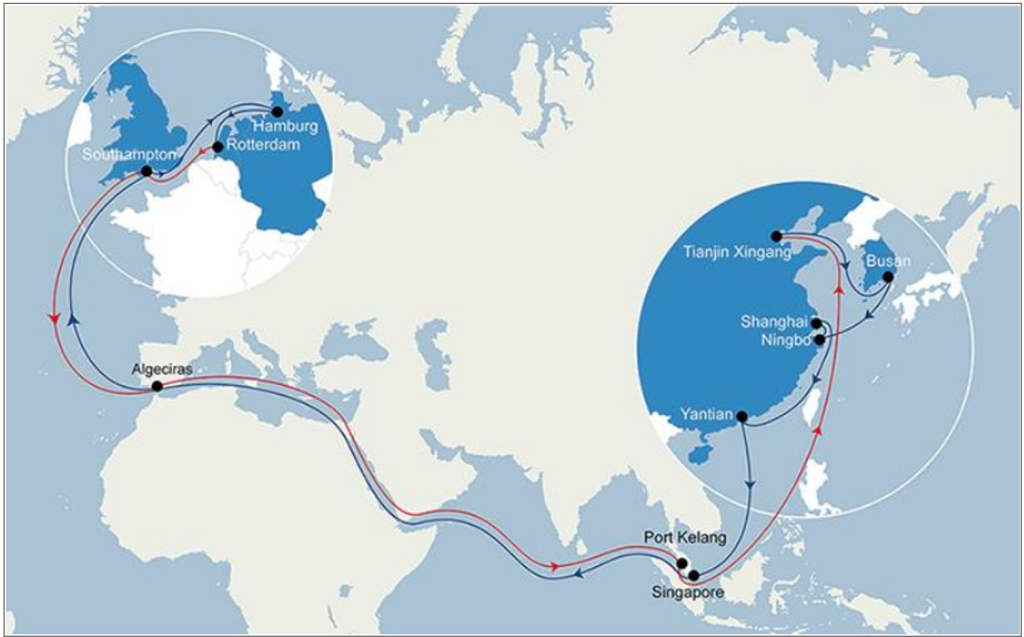
What this means for shippers:
While March offers hope, this is not a confirmed reopening scenario. Expect carriers to remain conservative and continue planning with longer lead times and potential cost impacts until risk conditions improve.
2. EU Abolishes €150 Duty-Free Threshold for Non-EU Parcels
A major regulatory shift is coming to European e-commerce logistics.
EU economy ministers have agreed to remove the €150 customs duty exemption for parcels imported from outside the EU.
Key details from the update:
- Duties will apply from the first euro of the parcel’s value — similar to how VAT currently applies.
- 91% of all small parcels entering the EU originate from China, with 4.6 billion imported in 2024 — underscoring the scale of the coming transition.
- This change targets low-value import surges from platforms like Temu and Shein.
- Implementation of the new system is expected by 2026.
- A supplemental €2 levy and additional national measures are also under consideration.
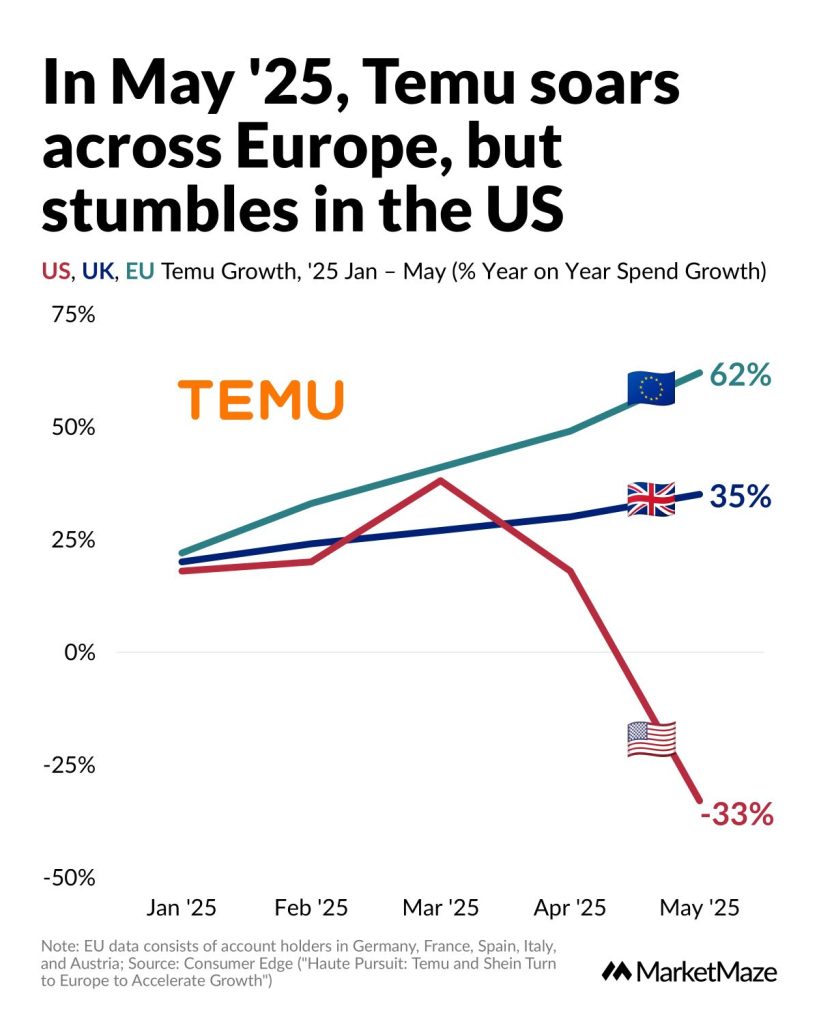
What this means for businesses and consumers:
This is one of the most significant customs changes in recent years. It will reshape cost structures for B2C brands, marketplaces and cross-border sellers — and bring new compliance requirements for logistics partners. Early preparation will be essential.
3. Air Freight Demand Strengthens Globally
Air cargo demand continues to show strong momentum going into peak season.
Global volumes are rising, powered by both general cargo and exceptionally strong e-commerce exports.

Additional trends shaping demand:
- Asia–Europe volumes remain elevated due to ocean schedule unreliability and port congestion.
- Southeast Asia and India continue to be major drivers, reflecting ongoing trade realignment and China-Plus-One strategies. (China-Plus-One is a strategy where companies keep some manufacturing in China but add at least one other country to reduce risk and diversify their supply chain)
- Technology and semiconductor shipments remain key contributors.
- Space is becoming more constrained on major lanes, and forward bookings are increasingly encouraged.
What this means for shippers:
Expect sustained rate volatility and tighter capacity through Q4 and into early 2026, especially around high-tech, e-commerce and tariff-sensitive trade flows.
Final Thoughts
The global logistics landscape continues to move at pace: geopolitical developments, regulatory reforms and mode-shift dynamics are simultaneously reshaping how goods move. At Exertis Supply Chain, we keep a close eye on these changes to help our customers stay agile, informed and ready for what comes next.
James Cooney, Head of Logistics & Inventory